
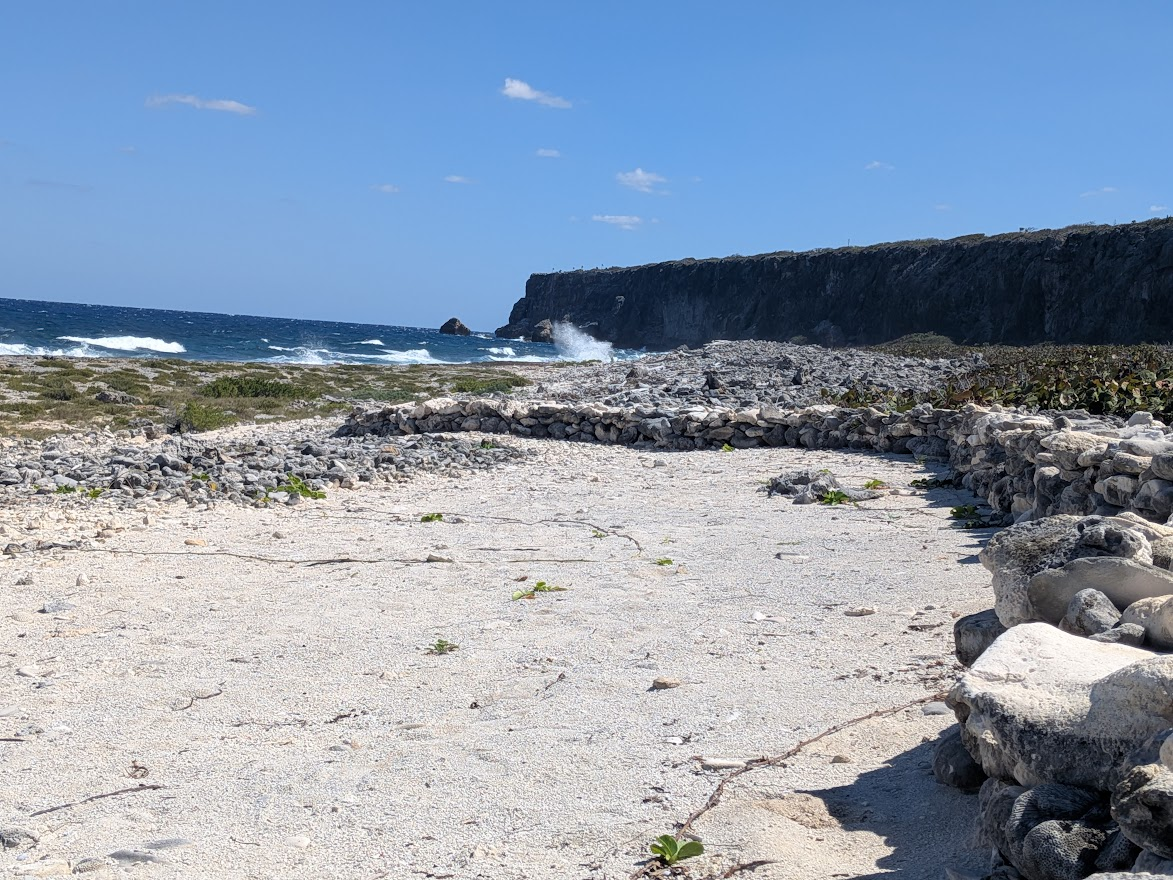
Long Beach, Cayman Brac
Welcome to Cayman Brac, your island adventure awaits! It’s hard to describe a “typical” vacation to Cayman Brac but one thing is for certain, Cayman Brac is NOT your standard Americanized Caribbean vacation destination. When most people think of a tropical island, they think of places like Hawaii, Grand Cayman, Florida Keys, or places in Mexico that are crawling with obnoxious sunburned tourists in flowered shirts walking between high-rise hotels and pushy merchants hawking tacky, overpriced souvenirs in “tourist traps”. Cayman Brac isn’t like that. It’s still unspoiled by big industry or tourism. There are maybe 100 tourists at any given time – it almost always feels like you have the whole place to yourself, whether it’s at the crag, trail, reef, or beach. There are no high-rise condos, no traffic (no traffic lights), no lines, and virtually no crime. There are 2 small hotels and a few sandy beaches.
A vacation to Cayman Brac is perfect for those with a “choose your own adventure” mindset, whether it’s rock climbing, scuba diving, snorkeling, hiking, caving, yoga, bird watching, botanizing, geologizing, fishing, or simply reading a book along the shore or under the shade of a coconut or fig tree. The adventure opportunities combined with the small island setting, the warm and relaxing breeze, the friendly and hospitable people, and the relief of not having civilization pressing on you, all combine into a unique, wonderful, and therapeutic experience. You will not want to leave this place at the end of your vacation and when that unfortunate time comes, you will immediately be looking forward to a return trip during which you’ll be greeted with a “Welcome Home”!
Please see our lodging page for more information about simple and affordable accommodations at our Bluff View house or click here for more information.
Island Adventures
Rock Climbing
Cayman Brac has nearly 150 titanium-bolted sport climbs with the bulk of the climbs in the 5.10 – 5.12 range. See the climbing guide page above for a downloadable and printer friendly climbing guide or click here . It’s unusual to find other climbers on the island so there are definitely no crowds or waiting for routes. The steep limestone rock is full of jugs and pockets along with pinches and kneebars on flowstone and tufa features (if the move seems hard, look for an undercling!). When climbing at the Point or Wave Wall, you’ll probably see more sea turtles than people.
A video of climbing Spiral Staircase
Scuba Diving and Snorkeling
Diving and snorkeling are very popular in the crystal clear water and the coral reefs boast world-class quality dive sites. The general lack of sand beaches and runoff from terrestrial areas allows for exceptional underwater visibility with visibility ranges commonly exceeding 100 feet! The shallow reefs consist of typical spur and groove formations from typically 25 feet to 60 feet in depth but transition to a vertical drop-off at the “wall” into the deep dark abyss at around 60–70 feet; the wall dive sites on Cayman Brac are unrivaled. There are two dive operations, and reservations are necessary. However, you don’t need to hire a boat, excellent shore diving and snorkeling are easy to access by car. Shoreline access ranges from easy to challenging but several wall sites remaining accessible from shore with a modest swim.
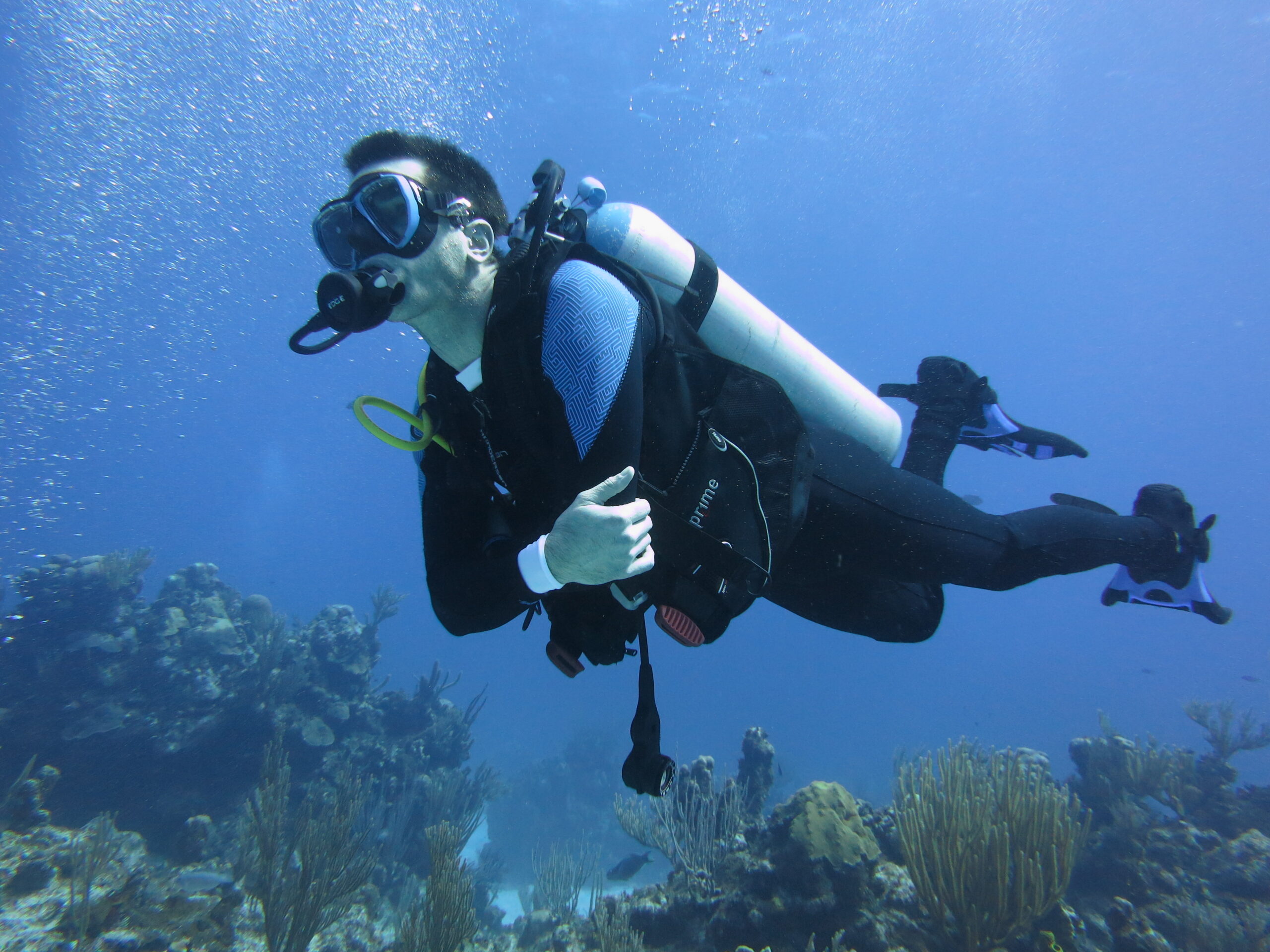
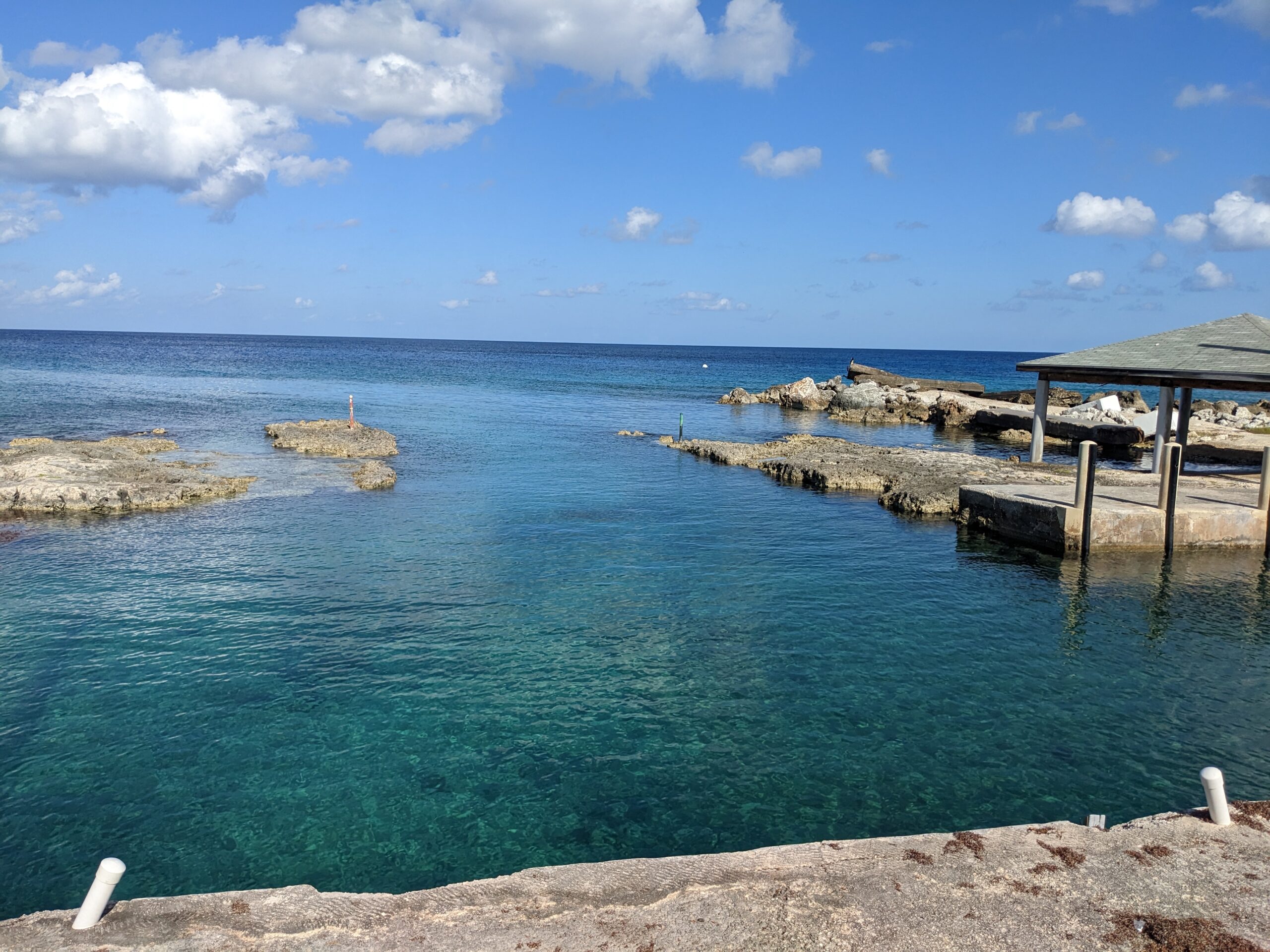
A video of snorkeling on the South Side.
Reef Divers operates in conjunction with Brac Beach Resort.
The Brac Scuba Shack is a independent, owner-operated dive operation which offers excellent service and smaller groups.
Fishing can be done from the shore or the cays, but for deep sea fishing inquire locally for captains.
Hiking
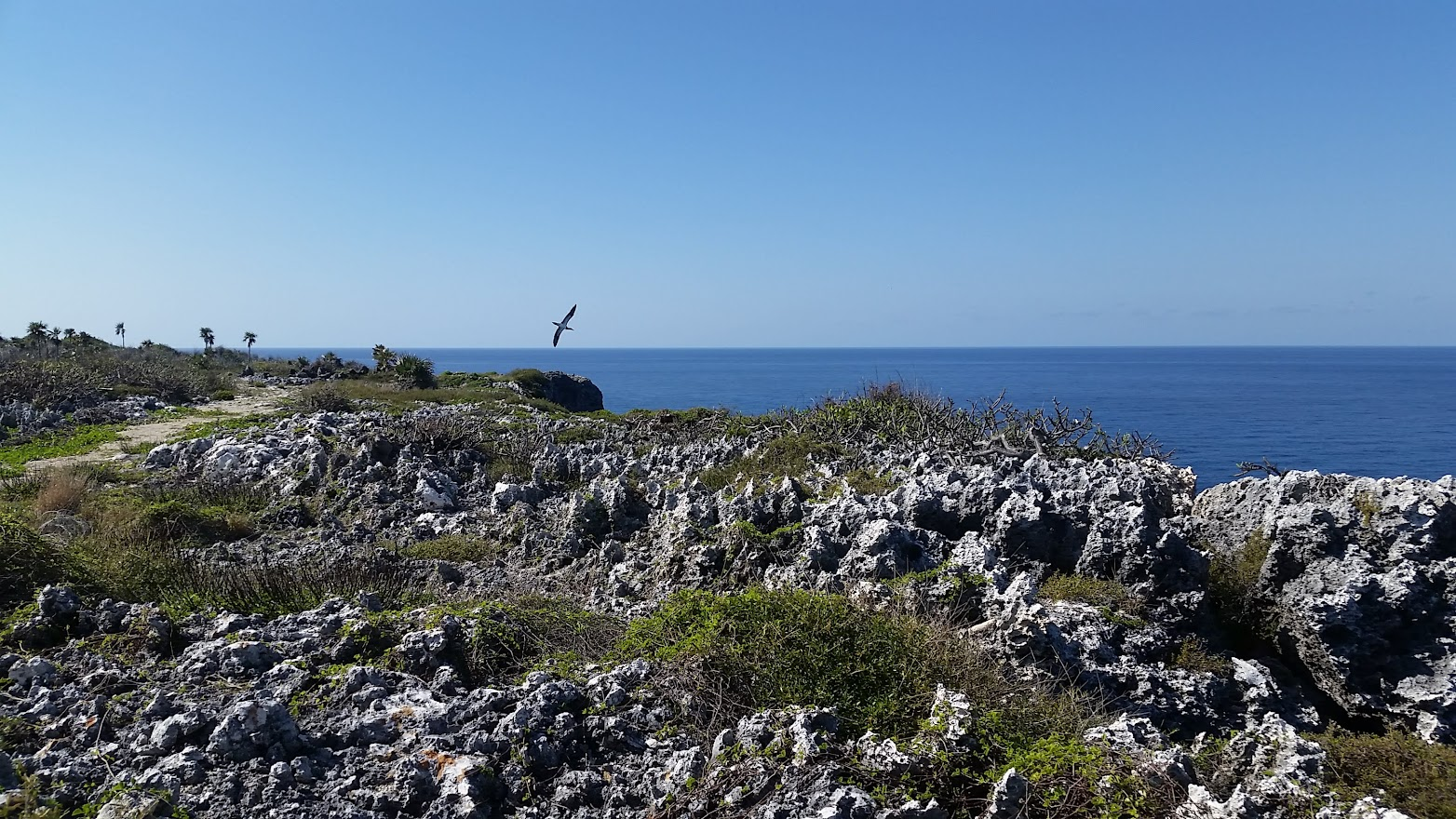
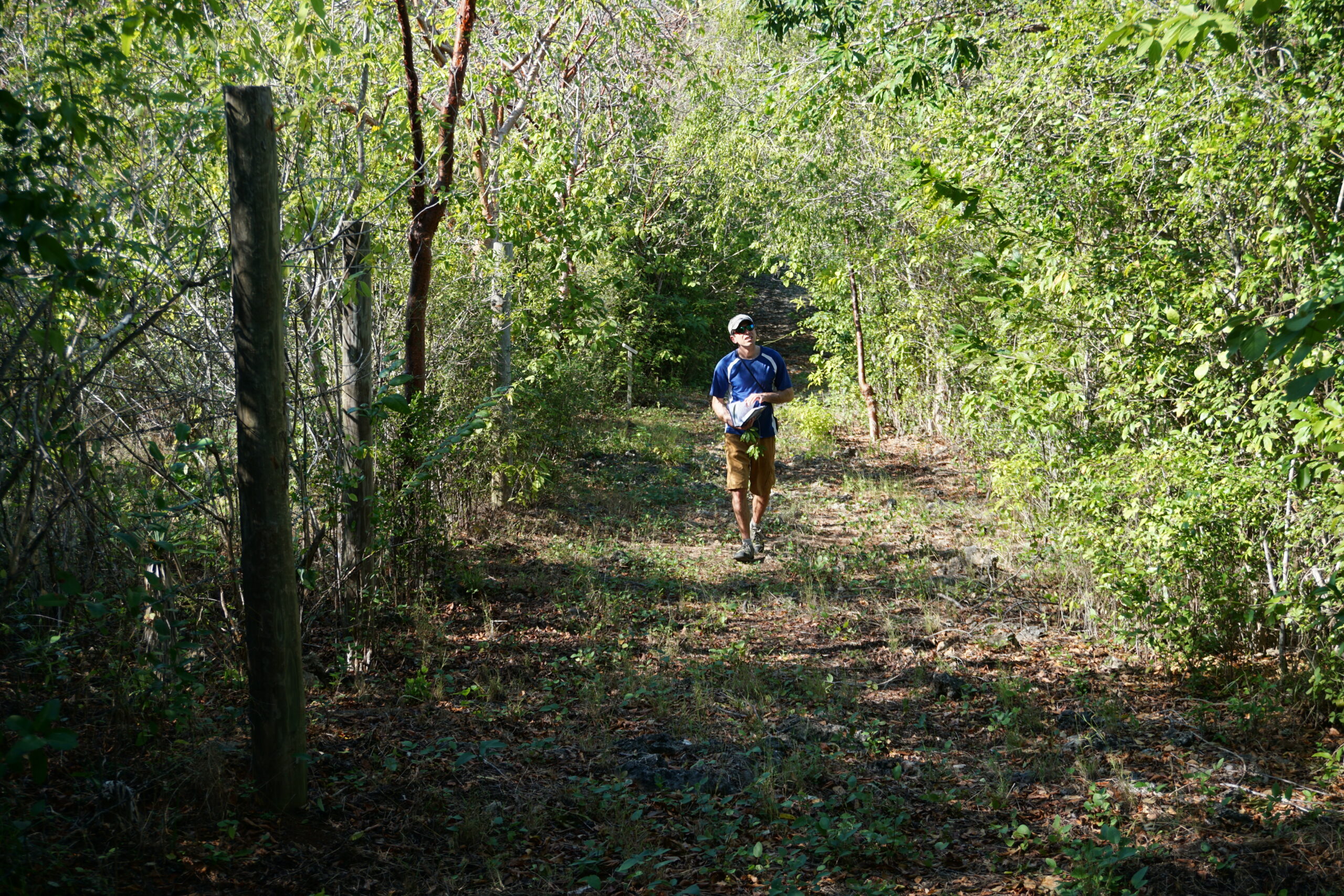
The island has many short hiking trails along the shoreline or through the interior xerophytic forests. The Parrot Preserve / Bight Road, Lighthouse Path to Peter’s Cave, Long Beach, and First Cay are recommended hikes. You will likely not see anyone else out there.
Ecotourism
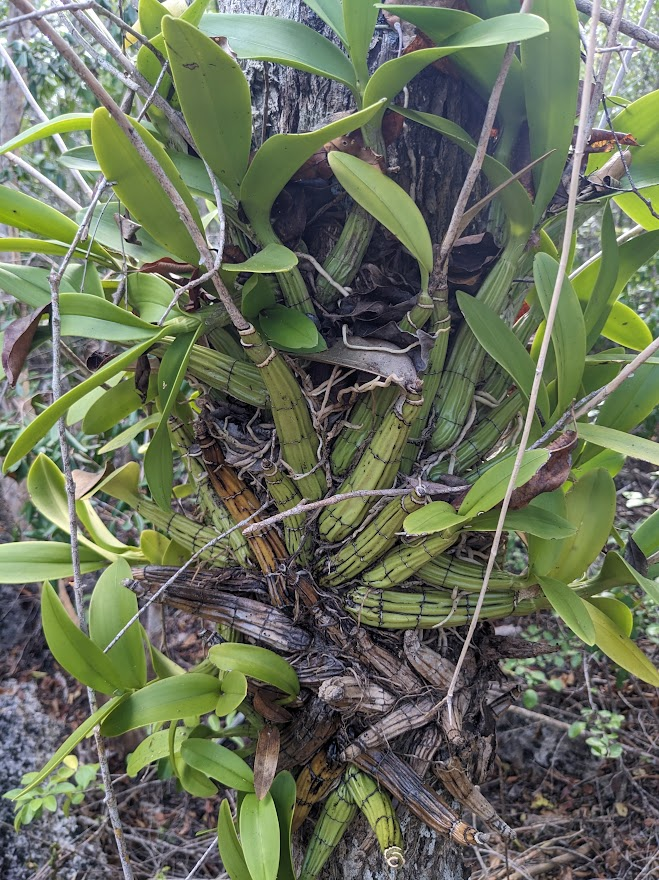
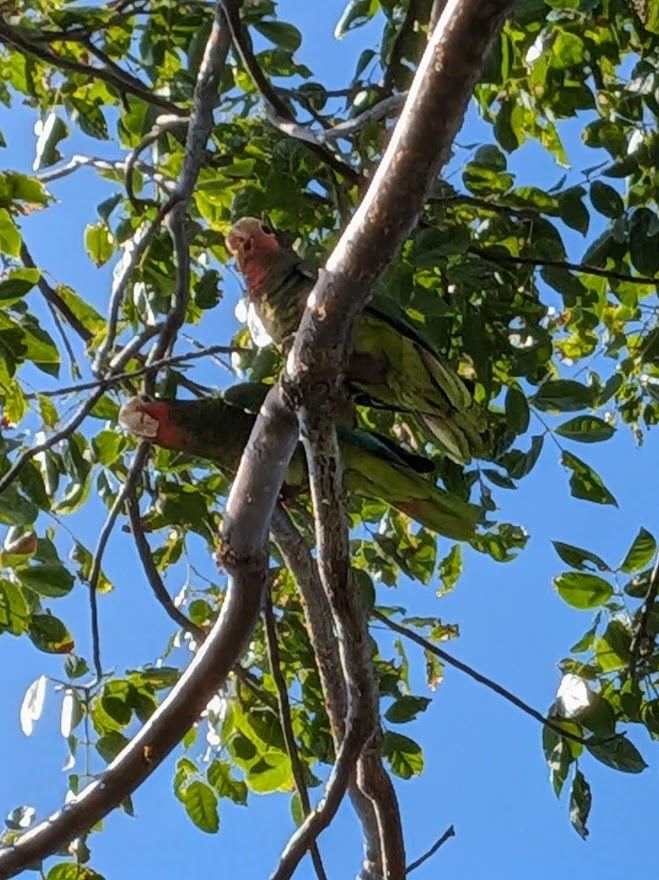
The Cayman Islands rival the Galapagos Islands relative to the number of endemic species (i.e., those found nowhere else on Earth). Cayman Brac hosts several unique wildlife species including the Cayman parrot, the Sister Islands rock iguana, and red-legged thrush as well as numerous species of unique plants including the banana orchid, silver thatch palm, Platt’s cactus, and several others. Many of the endemic species are globally imperiled due to their small size, restricted geographic range, and encroaching threats from unmitigated development and land uses. Brown booby birds nest along the edge of the bluff. They are magnificent birds but unfortunately their numbers have declined to critical levels due to predation by introduced species including feral cats, rats, and green iguanas. See our Brown Booby page or click here for more information on these special birds.
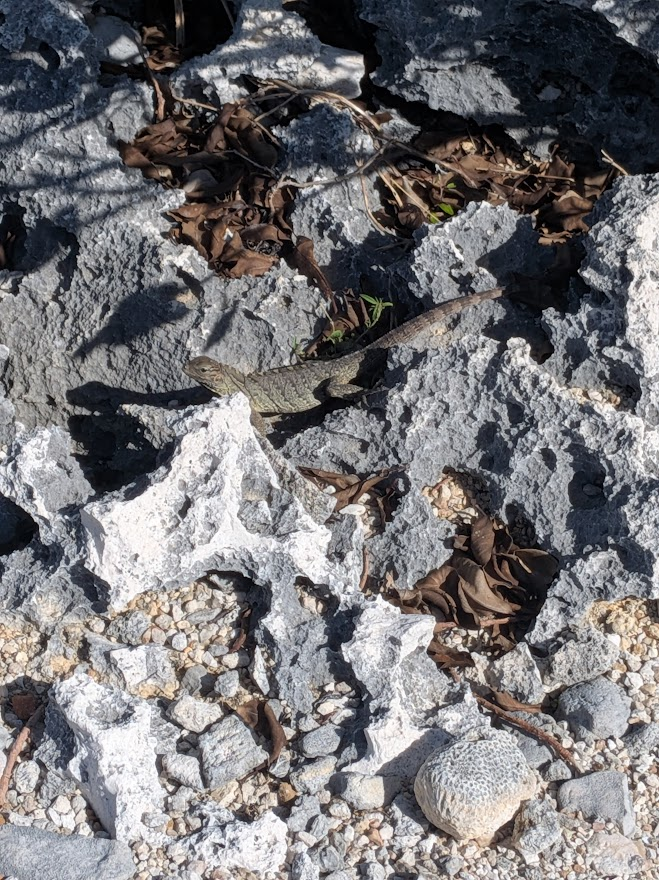
The rock of Cayman Brac is carbonate, consisting of limestone and dolostone. Karst features in the rock create an intriguing but unforgiving bedrock surface in many areas, consisting of razor-sharp meringue-like formations (closed-toe hiking shoes and gloves are often recommended while hiking some of the more obscure and lesser-traveled trails). Fossils are abundant within the ironshore rock. Caymanite is a semi-precious stone found commonly in the rock around the island. It is recognized by its bands of pink, white, and reddish hues. It’s commonly used by local artists to make jewelry.
Caving
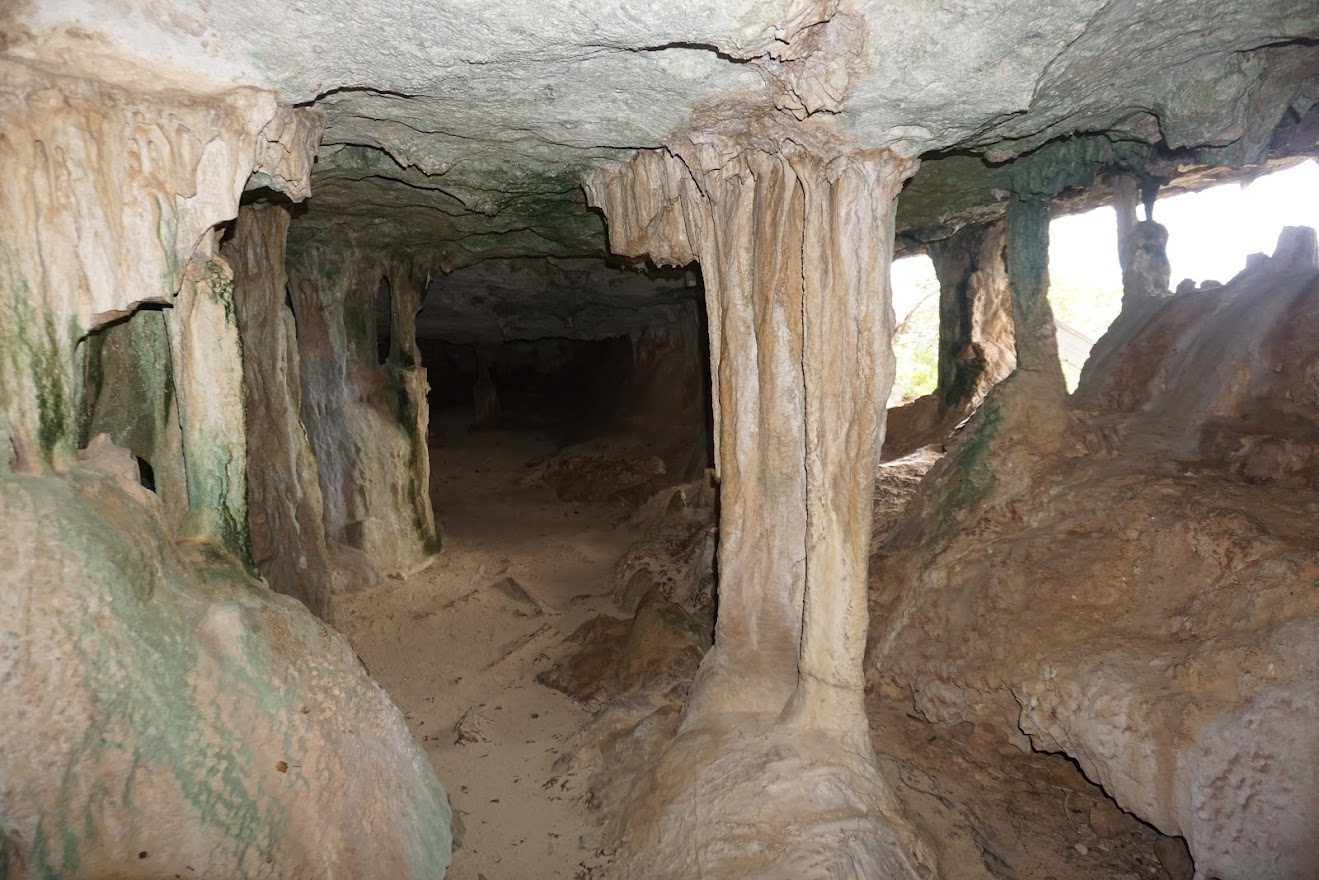
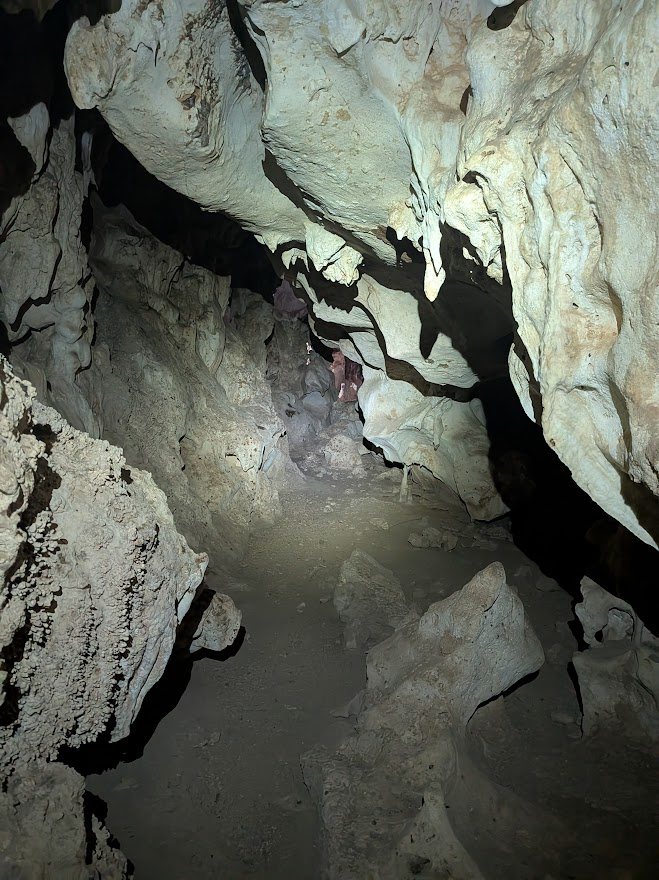
The carbonate geology has resulted in numerous caves around the island. There are several fairly accessible caves and dozens, if not hundreds, more awaiting discovery in the undeveloped forests and woodlands for those with extra ambition to venture into the bush. The caves on the islands have been used historically by residents as hurricane shelters and undoubtedly were used as secret treasure hideaways by pirates. Today, the caves are home to several species of bats and nesting birds including owls and tropicbirds. Columns, stalactites, stalagmites, and flowstones decorate the interior of the caves; be sure to bring your headlamp!
Evening and Shopping
If you’re looking for fancy night clubs and hotspots, well, there really aren’t any. The height of night-life is an occasional outdoor Movie Night, Trivia Night at the Tipsy Turtle or Karaoke Night at Barracudas and Tipsy Turtle. It’s an island to make your own adventure!
There are several artists on the Brac who make unique and beautiful jewelry and sculptures from Caymanite and other natural materials. Friday evenings at Tipsy Turtle you may get lucky enough to see the beautiful work they create. There is also NIM Things in Spot Bay. There is a gift shop at the Alexander Hotel as well. Otherwise, do not expect shopping to be like your typical island tourist destination.
Weather and Season
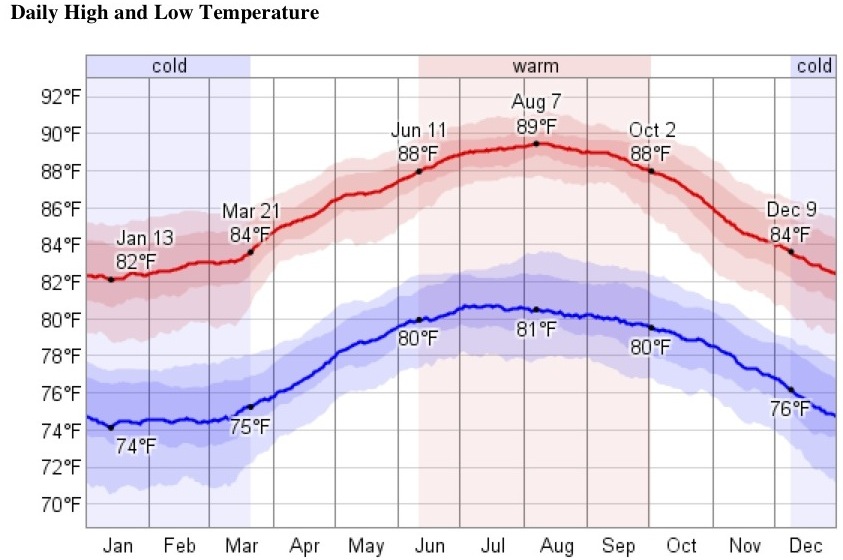
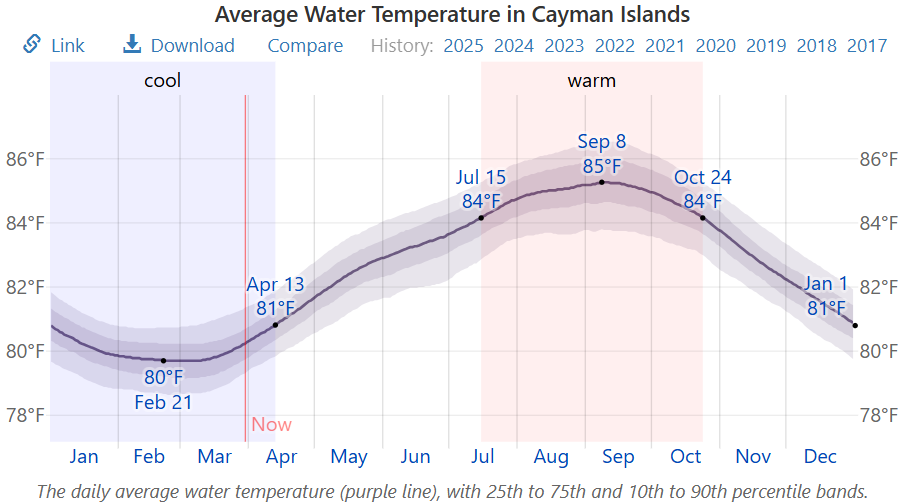
The typical vacation season, and the best season for rock climbing, is December through April as the air is a little cooler and drier with fewer rain and storm events. While there may be showers or an overcast day, extended rain is not really a worry. Winter temperatures are generally 74–85F (24–29C), which many people think is too warm for climbing but climbing in the shade combined with the almost steady breeze from the Trade Winds keeps the rock sessions pleasant (although it may take a couple of days for those coming from cold climates to acclimate to the warmth and humidity). Winds change by the day and can have an effect on your climbing and / or water plans. Being flexible with your activity agenda and adapting to the daily weather goes a long way with making the most of your time on the island. Weatherspark.com provides details on the air and water temperatures throughout the year including seasonal trends on when it is more likely to be muggy, cloudy, rainy, etc.
“
“


 Views Last 7 days : 129
 Total views : 3481


